
Reflections from the Sustainable Archaeological Futures Symposium 2026
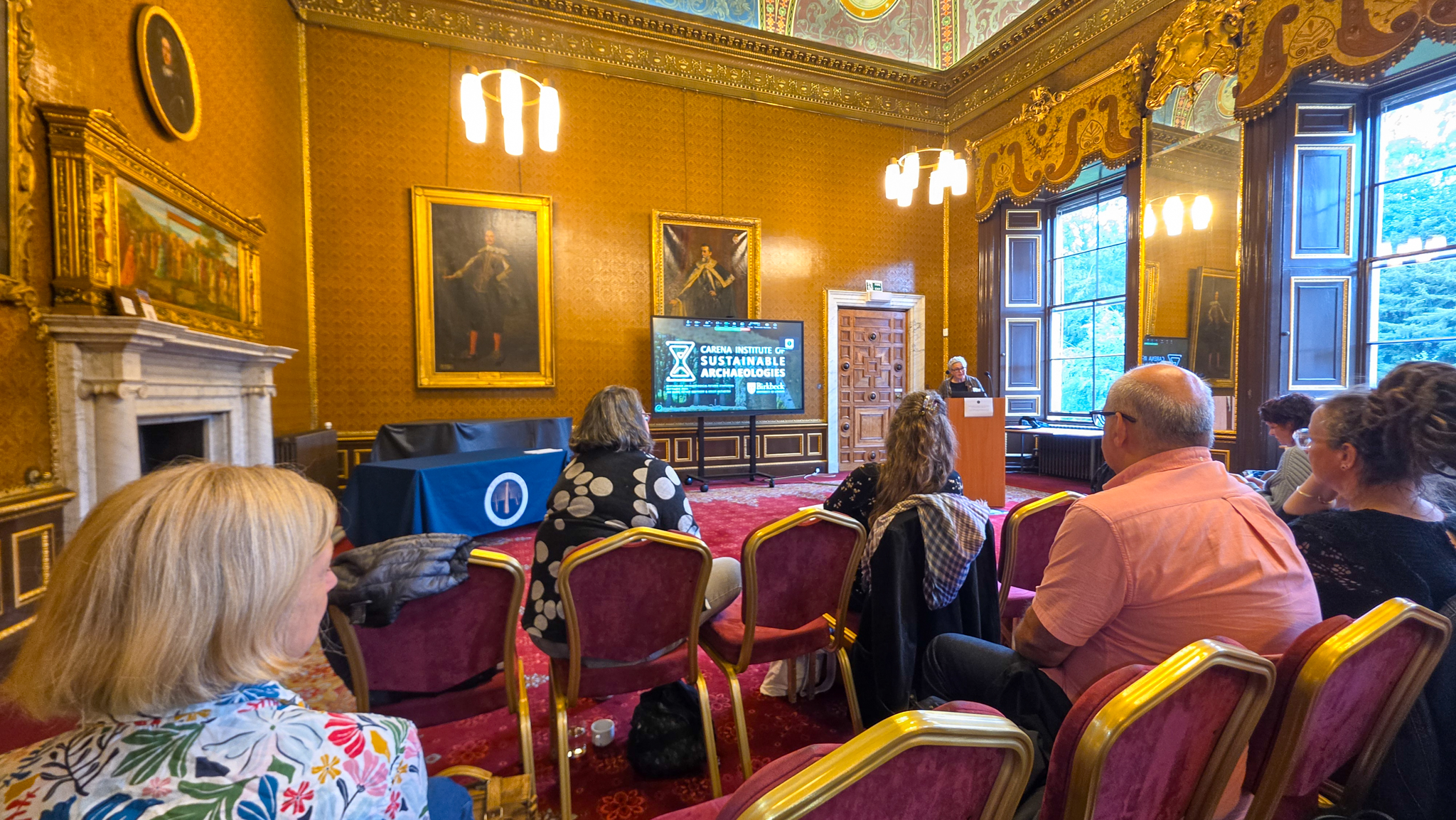
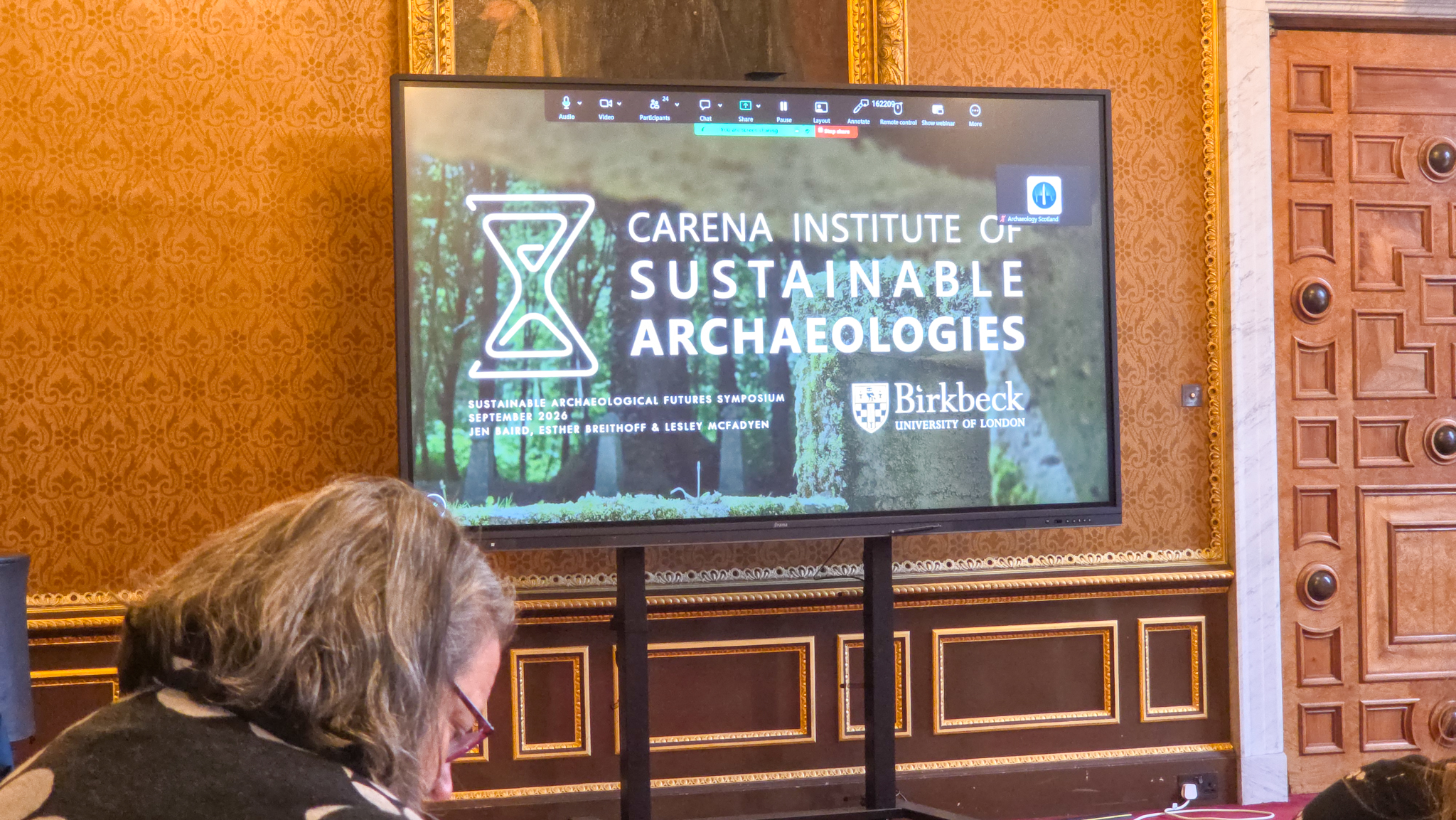
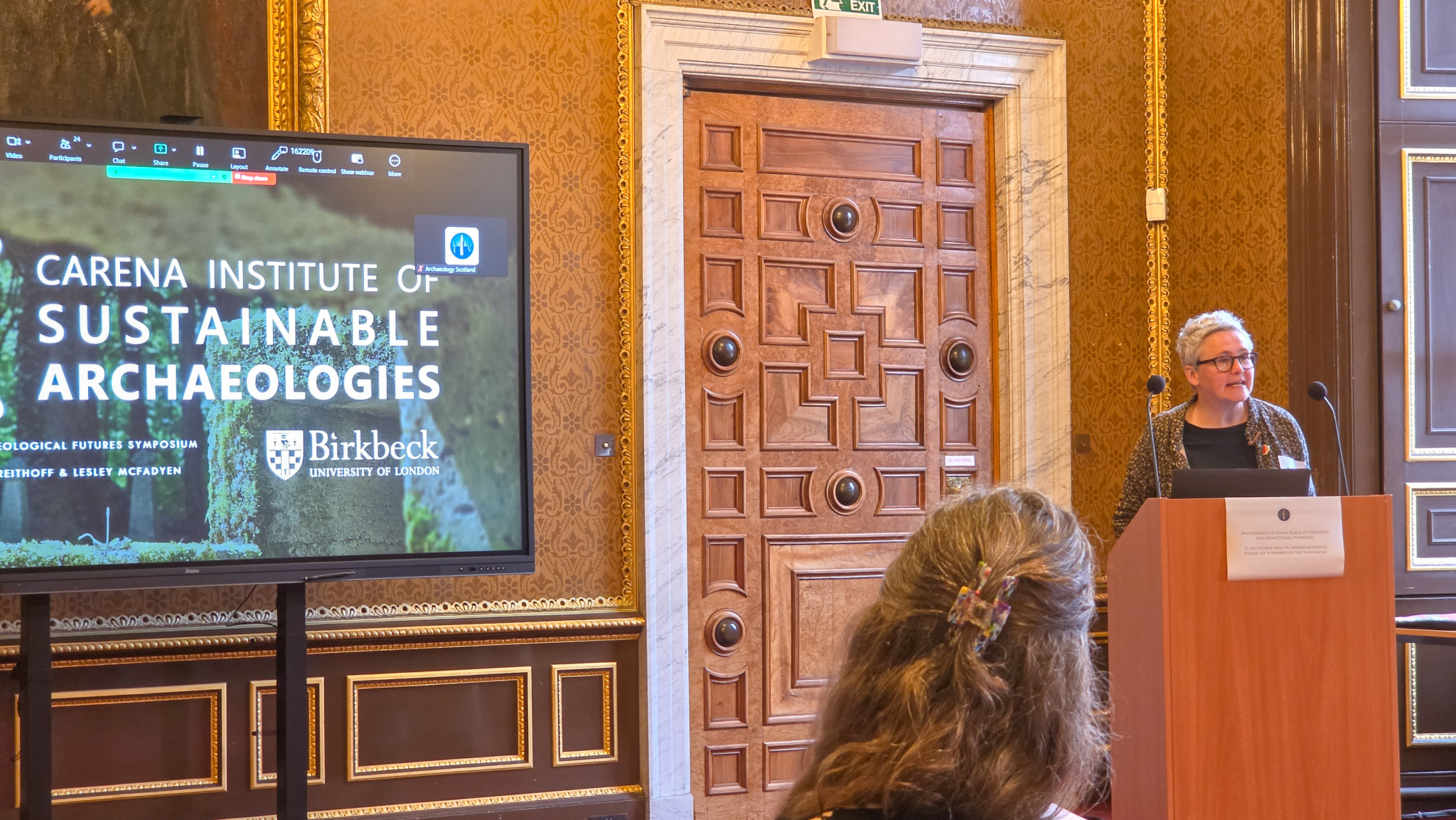
The Sustainable Archaeological Futures Symposium brought together archaeologists, heritage professionals, community practitioners and researchers to explore a fundamental question: what will make archaeology genuinely sustainable?
Across two days of presentations, discussion and collaborative workshops, participants considered environmental pressures, contested heritage, community participation, professional pathways and the future of the sector. One message connected many of these conversations: archaeology cannot sustain itself by protecting places and objects alone. It must also invest in people, relationships and shared ownership.
For Next Step Initiative, the symposium provided an important opportunity to contribute evidence from three years of partnership with Archaeology Scotland through the Community Heritage Leadership Trainee Programme. Our experience shows that widening participation can produce meaningful results, but only when access leads to contribution, progression and leadership.
Sustainability must include people
Discussions about sustainable archaeology often focus on landscapes, monuments, collections and the physical record. These responsibilities remain essential. However, the symposium made clear that sustainability also has social, cultural and economic dimensions.
A sector cannot call itself sustainable if significant parts of society remain absent from its workforce, leadership and decision-making structures. It cannot build long-term public support if communities encounter archaeology only as occasional audiences rather than contributors and partners.
People form part of archaeology’s infrastructure. The sector needs people with different experiences, community relationships and forms of knowledge at every level, from volunteers and trainees to managers, trustees and organisational leaders.
This requires us to move beyond asking only, “Who participated?” We must also ask:
Who progressed?
Who received paid employment?
Who influenced how an organisation works?
Who entered management or governance?
Who was supported to lead?
These questions allow organisations and funders to distinguish between short-term participation and lasting structural change.
Access without progression is a revolving door
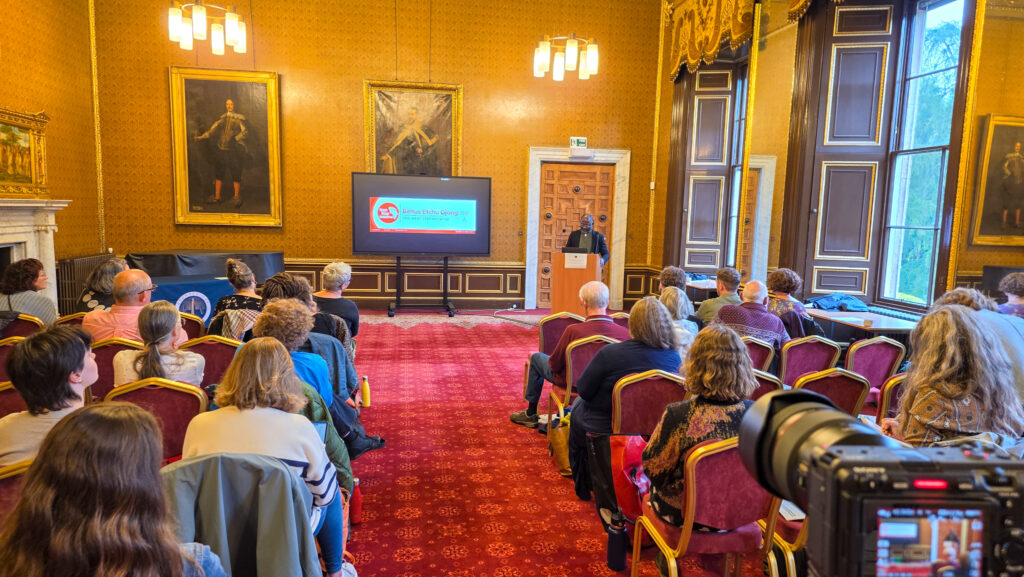
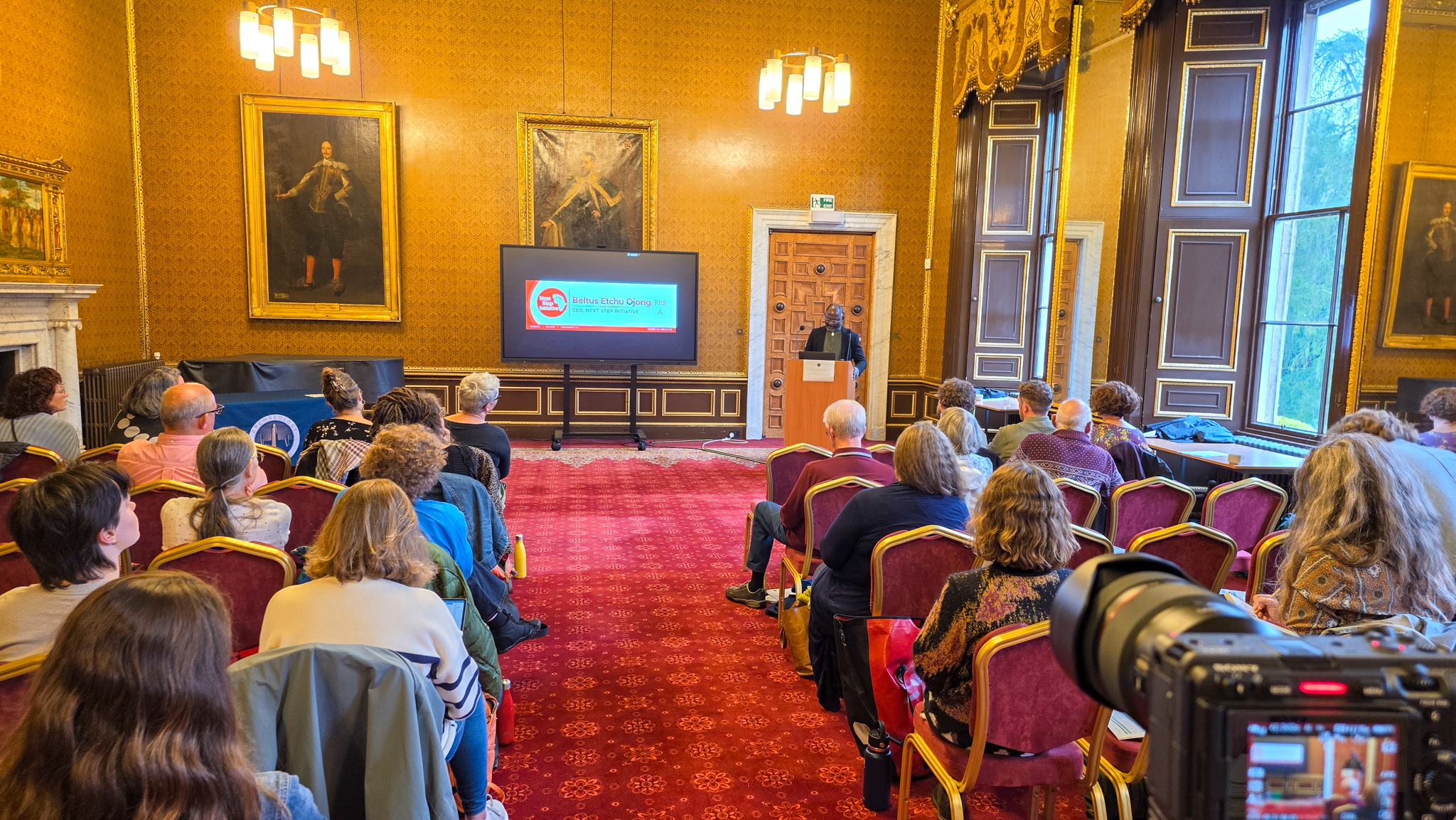
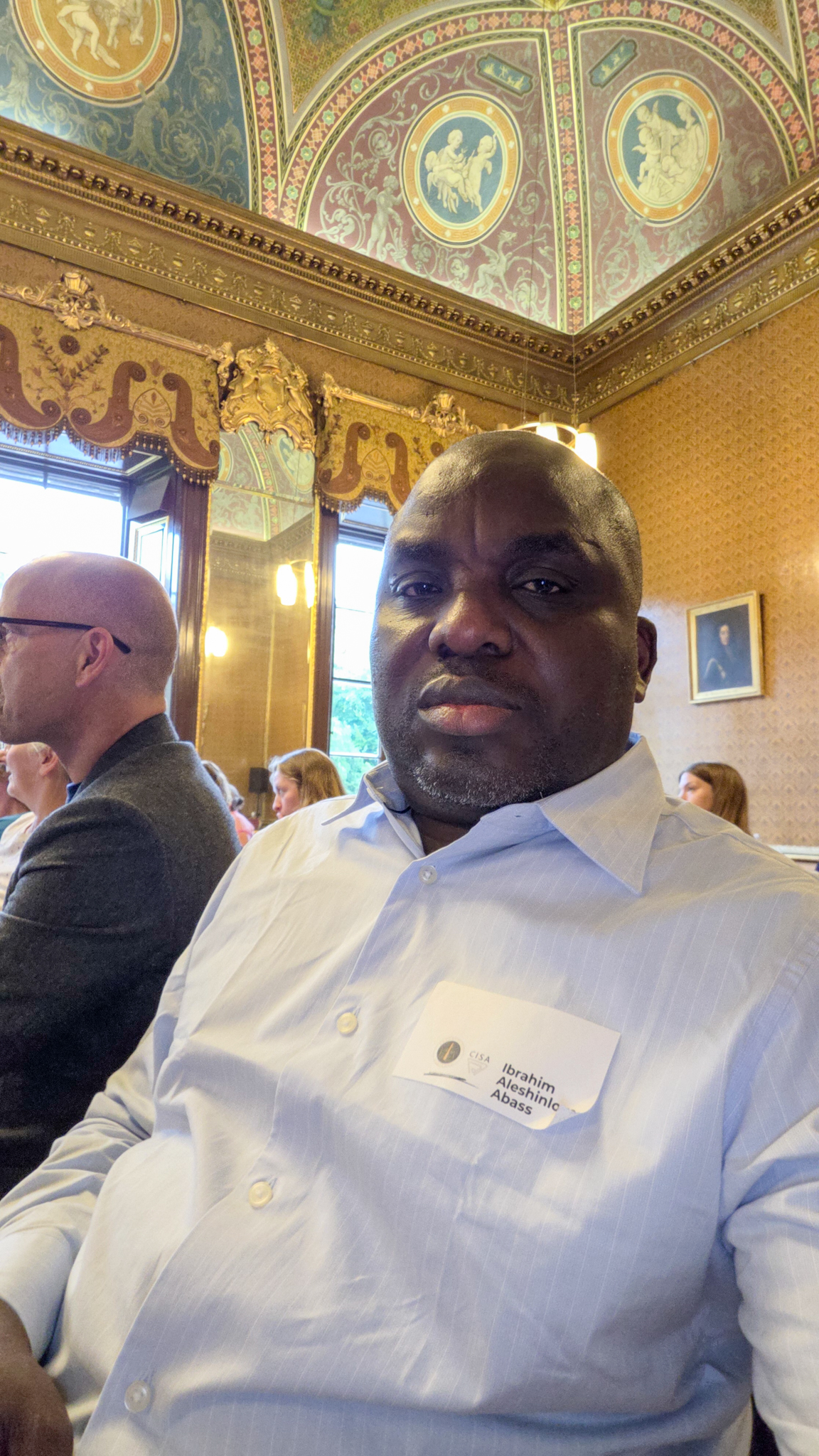
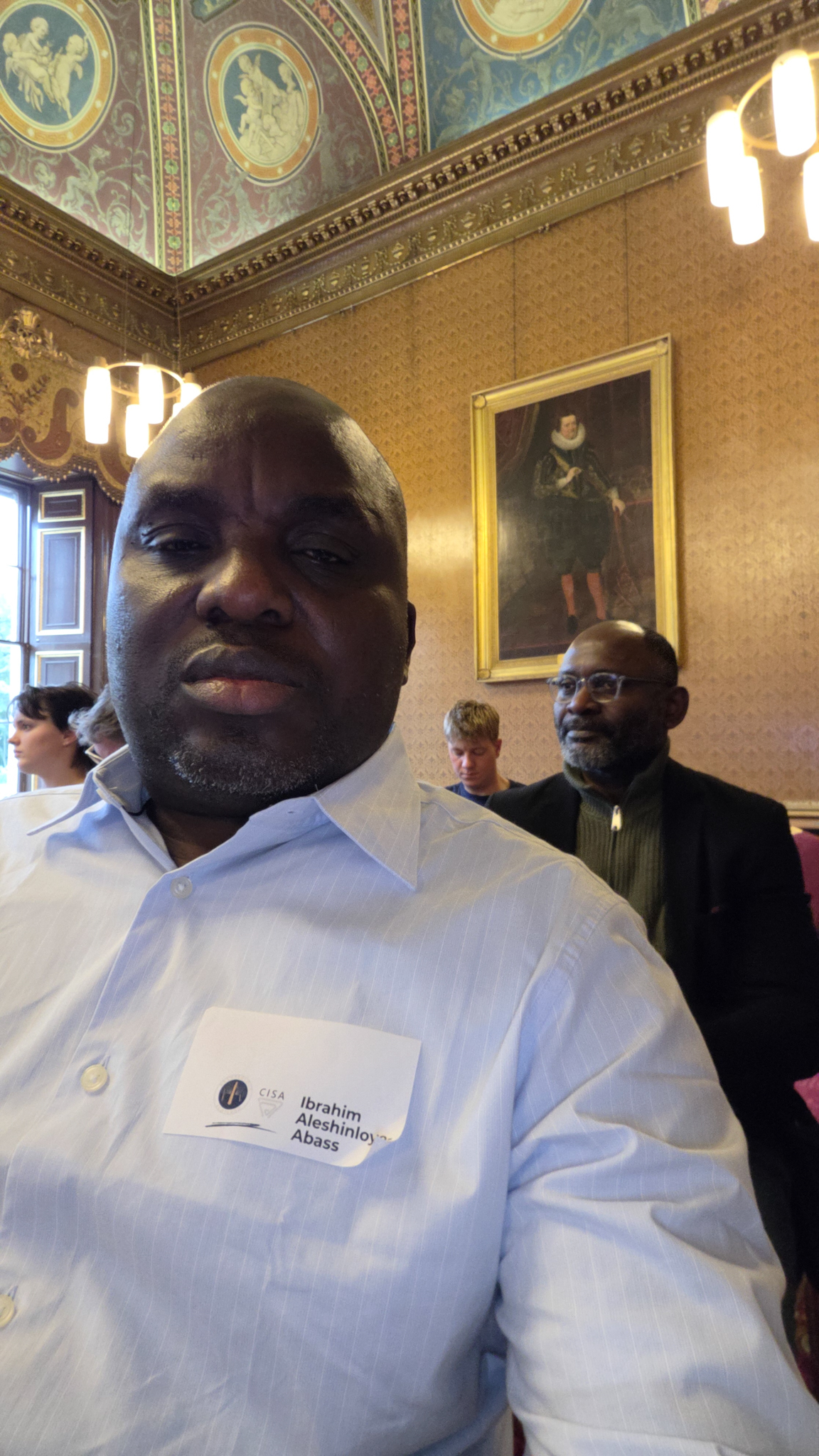
In his contribution on widening participation and leadership, Ibrahim Aleshinloye-Abass argued that opening the door represents only the beginning.
Too many initiatives treat access as the final outcome. People receive a short experience or temporary placement, but the pathway ends when the funding ends. Without continued mentoring, professional networks, employment opportunities and institutional commitment, talented participants leave the sector.
As Ibrahim explained:
“Participation alone is not transformation. If we are serious about a sustainable, representative heritage sector, we must ask not only who is participating, but who is progressing, who is leading, and what we are doing to make that possible.”
The pathway must connect participation with opportunity, contribution, progression and leadership. Each transition requires deliberate support because people frequently encounter barriers between these stages, rather than at the point of entry alone.
For Black and Global Majority communities and others historically excluded from heritage careers, these barriers can include limited professional networks, unpaid entry routes, restricted access to relevant qualifications and a lack of visible role models.
Evidence from the Community Heritage Leadership Trainee Programme
Next Step Initiative works to promote and empower minoritised communities, particularly African and Caribbean communities in Scotland. Its wider work has supported and partnered with more than 250 third-sector organisations, using a participatory approach grounded in community empowerment.
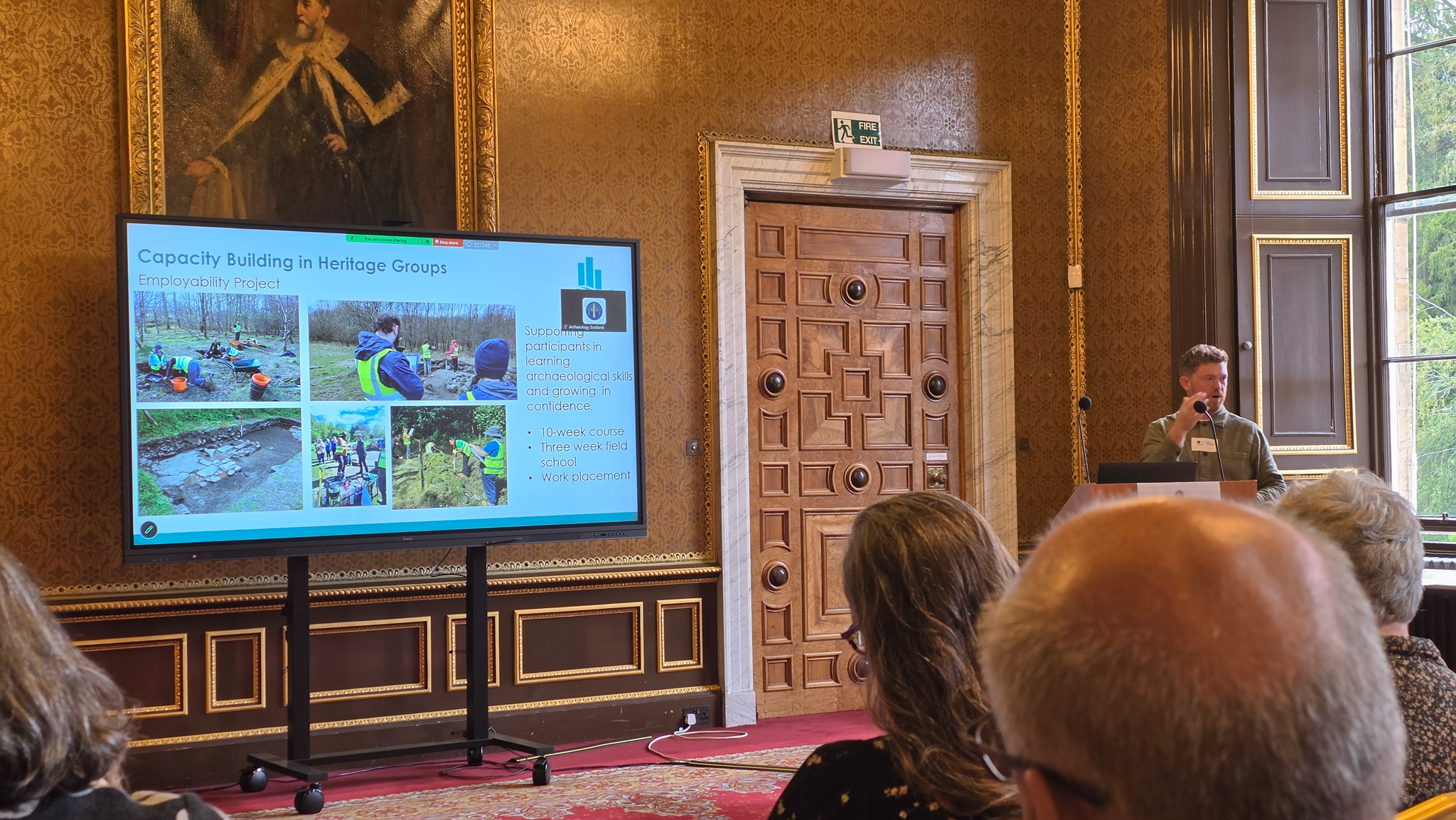
Through its partnership with Archaeology Scotland, the Community Heritage Leadership Trainee Programme has demonstrated what becomes possible when organisations combine access with structured support.
Three trainees illustrate the developing pathway:
Joshua Ogunmola developed practical fieldwork and artefact interpretation skills. Through the Big Dig, he also became a public-facing contributor, engaging communities and communicating the value of archaeology. He helped develop accessible materials for the Adopt-a-Monument scheme, contributing to how Archaeology Scotland reaches wider audiences.
Oluwaseun Oni entered the programme with limited previous experience in the heritage sector. He progressed into community engagement, employability support and practical excavation work. He also gained Outdoor First Aid certification and took responsibility for coordinating and delivering elements of the Big Dig.
Cherish Adebayo-Omoaka, the current trainee, represents the programme’s continuing commitment to developing new pathways into community-rooted archaeology.
These experiences show that trainees bring much more than their need for an opportunity. They contribute lived experience, community knowledge and perspectives that help organisations reconsider how they communicate, design engagement and understand their audiences.
Widening participation therefore becomes a two-way learning process. Institutions support trainees’ development, while trainees help institutions improve their practice.
Demand exists, but opportunity remains limited
The programme has also revealed the scale of unmet demand.
During the symposium discussion, Next Step Initiative shared that the third programme cohort attracted close to 150 applications for three positions across the participating organisations. Within the Archaeology Scotland recruitment process, approximately 15 applicants competed for one placement, with four reaching the final stage.
These numbers demonstrate interest, ability and ambition. They also expose the present limit of sector capacity.
For every successful trainee, many capable candidates remain outside the pathway. The shortage does not reflect an absence of talent. It reflects the limited number of funded placements, paid entry routes and progression opportunities.
Funders can play a decisive role here. Investment must cover more than a trainee’s wage. Effective programmes also require supervision, mentoring, accessible recruitment, professional development, community engagement and support beyond the initial placement.
One placement can change an individual life. A recurring, properly supported programme can begin to change the sector.
Belonging must shape the method
A powerful theme throughout the symposium was belonging.
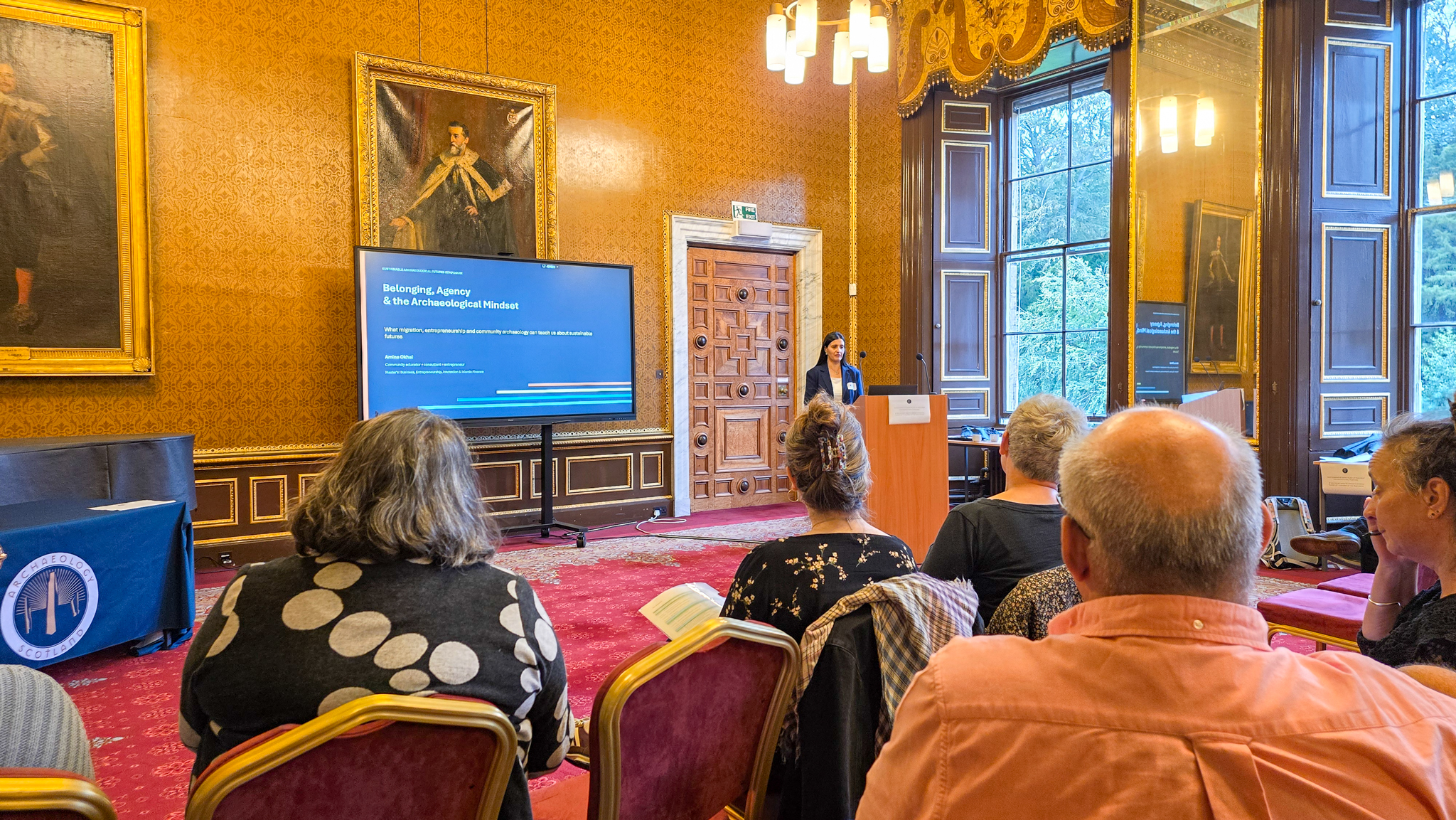
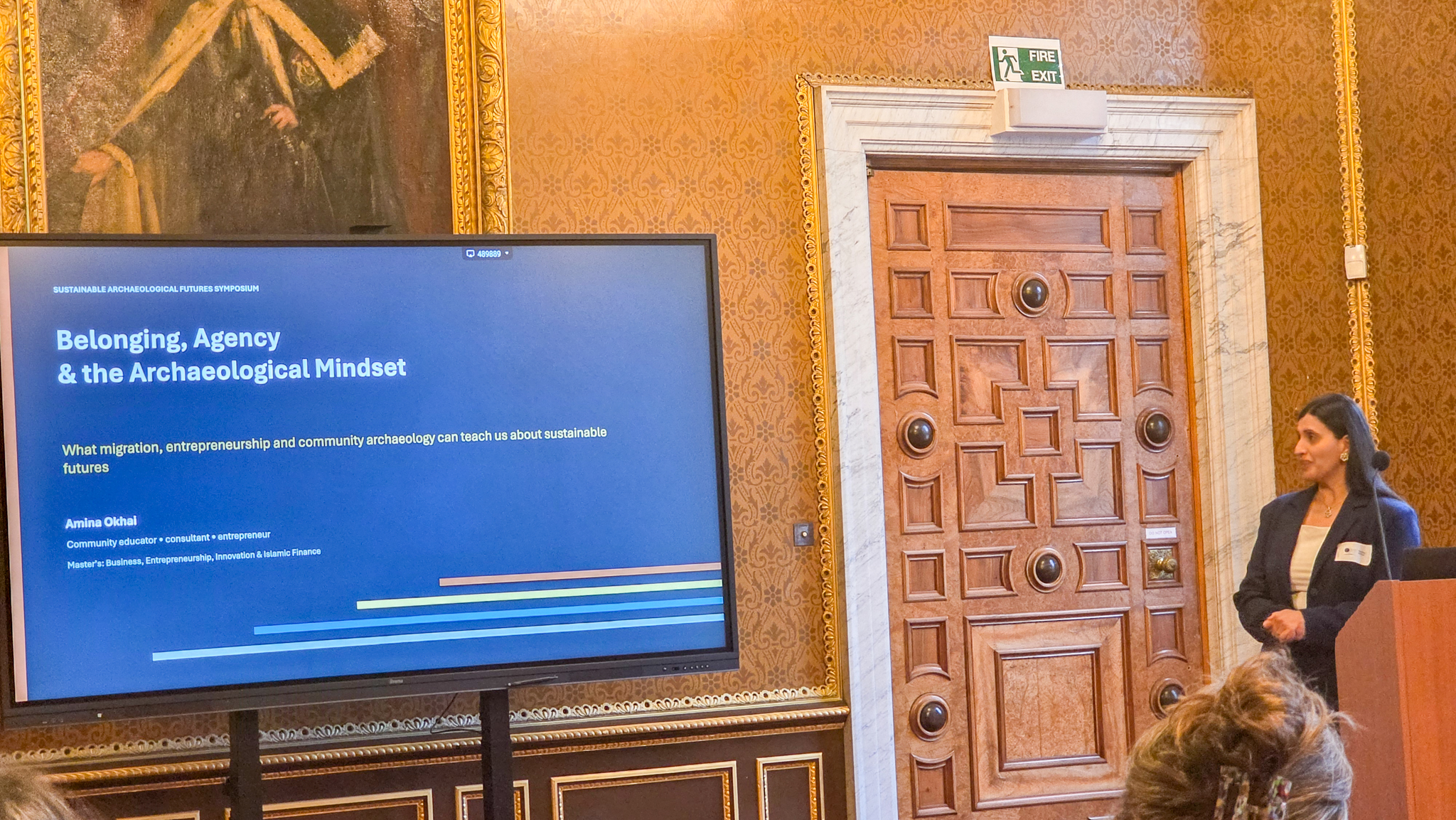
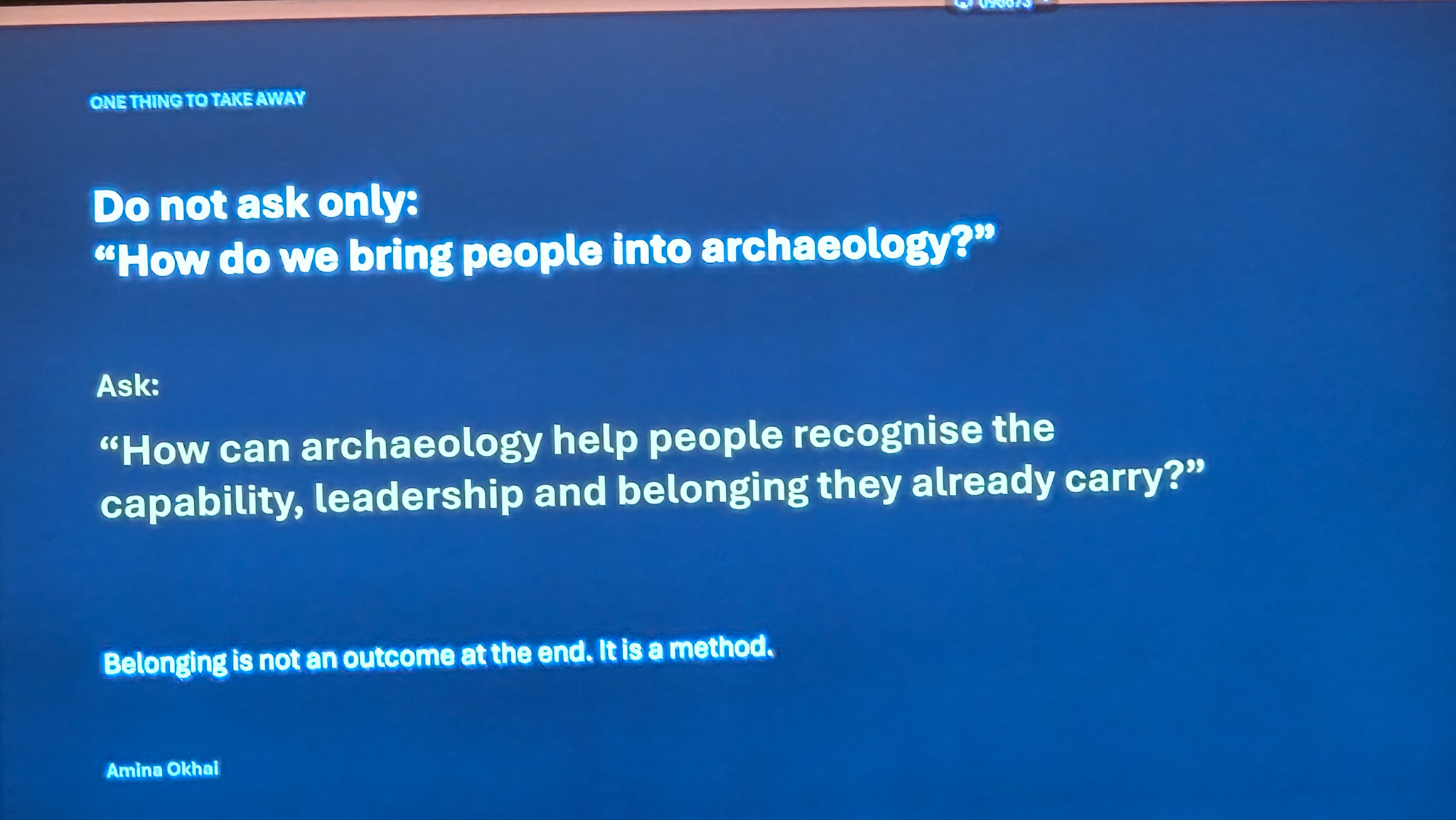
Amina Okhai’s presentation on belonging, agency and the archaeological mindset asked participants to reconsider the usual framing of community engagement:
“Do not ask only: ‘How do we bring people into archaeology?’ Ask: ‘How can archaeology help people recognise the capability, leadership and belonging they already carry?’”
This shift matters. Communities should not have to prove that they deserve access to heritage. Archaeology should recognise the knowledge, relationships and capabilities that already exist within communities.
Trust plays an essential role in this process. People are more likely to engage when opportunities come through individuals and organisations they already know. However, trusted community organisations should not simply recruit participants for programmes designed elsewhere. They must have a voice in deciding what happens, how it happens and how success will be measured.
Communities want to take part in co-design and delivery. They want to influence the stories being told and see clear evidence that their contribution matters. They do not want organisations to approach them only to satisfy a participation target.
Inclusion must be visible by design
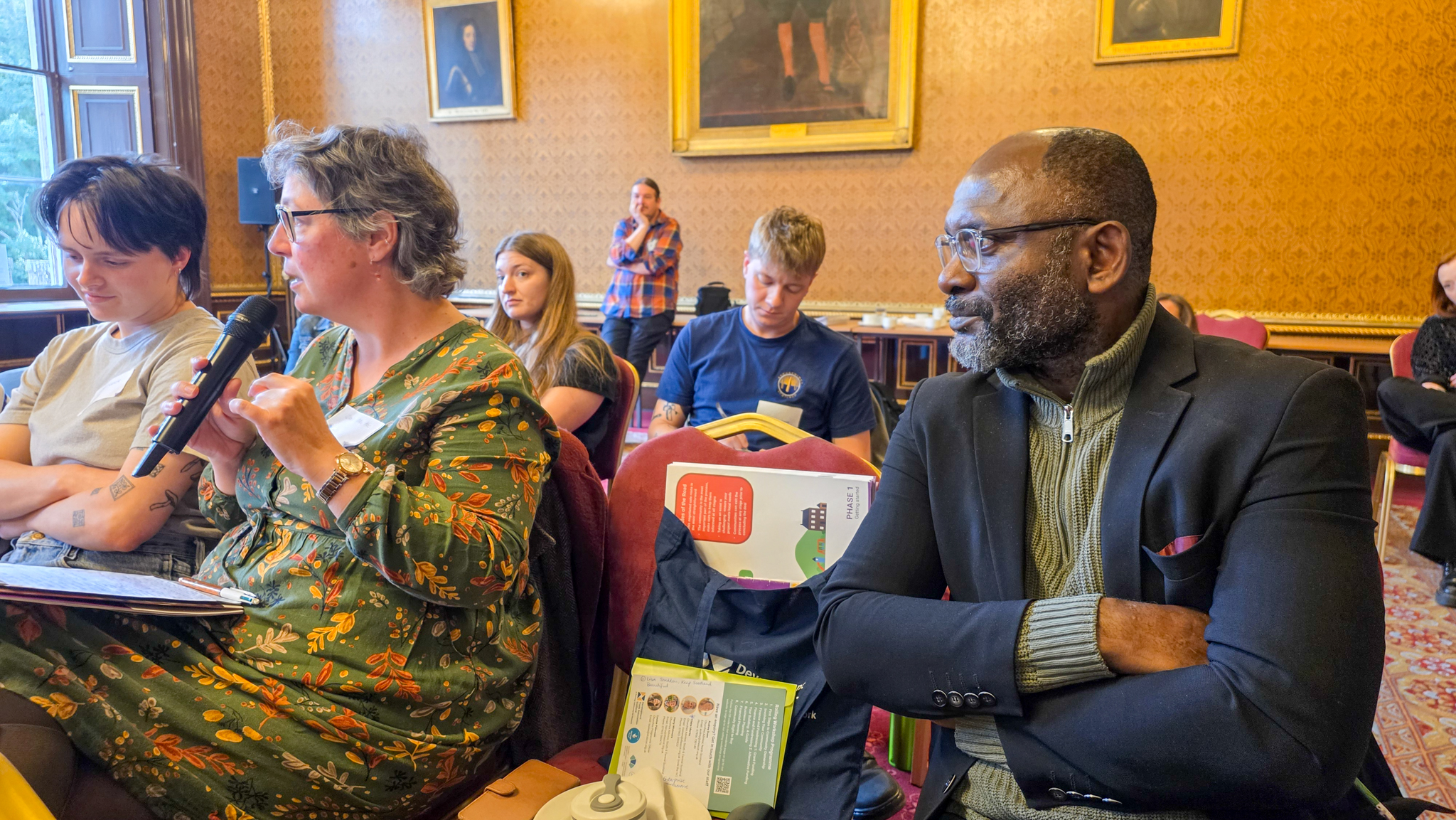
One of the strongest interventions during the discussion concerned the difference between the language people speak and the “language of participation.”
Many ethnic-minority families have lived and worked in Scotland for decades. Their contribution is visible in sectors such as health, education and retail, yet their presence remains much less visible across heritage employment, governance and interpretation.
Institutions can exclude without displaying an explicit sign. Exclusion also happens through who works in a building, whose family histories appear in exhibitions, who feels able to speak about Scotland’s past and who has the authority to interpret it.
The discussion challenged the sector to examine who its spaces have been designed for.
Changing this requires more than diverse promotional images. It requires community participation within the workforce, collections, programming and leadership of heritage institutions. It also requires honest interpretation of colonial history and the systems of power that have influenced how heritage has been collected and presented.
Young people are already interested
Participants also challenged the assumption that young people lack interest in archaeology.
Young people are producing videos, reconstructing ancient objects, joining outreach programmes and building communities online. Their interest may be expressed through different channels, but it is real.
A younger participant offered a direct challenge to the room: if organisations want young people in the conversation, they must invite them.
This means connecting with colleges, university societies, youth organisations, schools and digital creators. It also means recognising that young people can offer practical support with social media, websites, photography and digital storytelling while developing their own experience and professional networks.
Rather than asking repeatedly where young people are, the sector should build relationships with the places and platforms where they already participate.
A broader understanding of archaeological work
The symposium encouraged participants to think beyond traditional definitions of archaeology.
Work involving photographic archives, oral history, community memory, contested landscapes, digital storytelling and placemaking can also contribute to archaeological knowledge. These approaches can help people connect their own experiences with the histories of the places where they live.
This broader understanding creates new opportunities for cross-generational and cross-sector collaboration. Archaeologists can work with community development organisations, cultural associations, schools, youth services, health organisations, faith groups and local authorities.
These partnerships should complement professional archaeology while expanding the range of people who can contribute to it.
From reflection to shared action
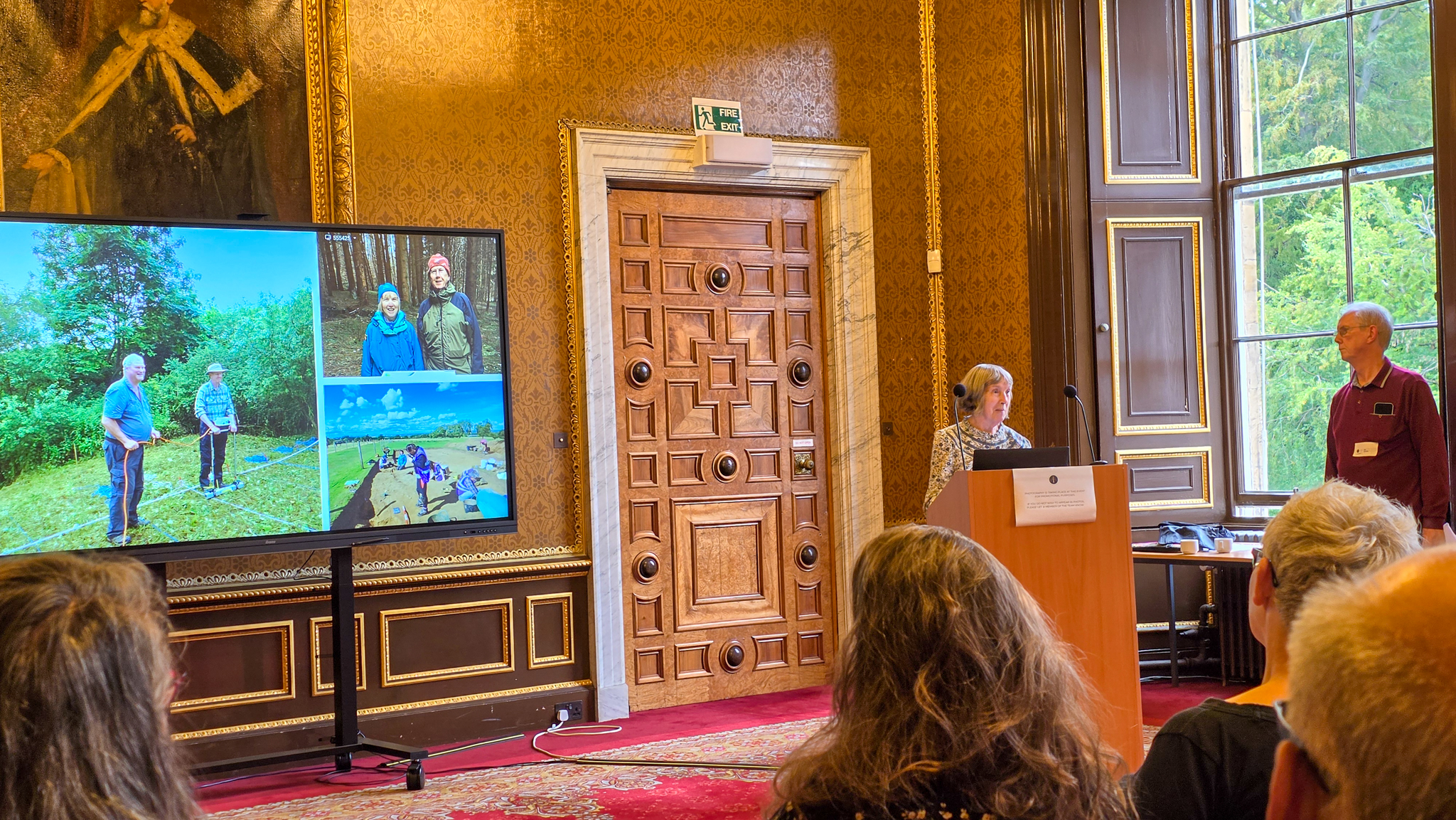
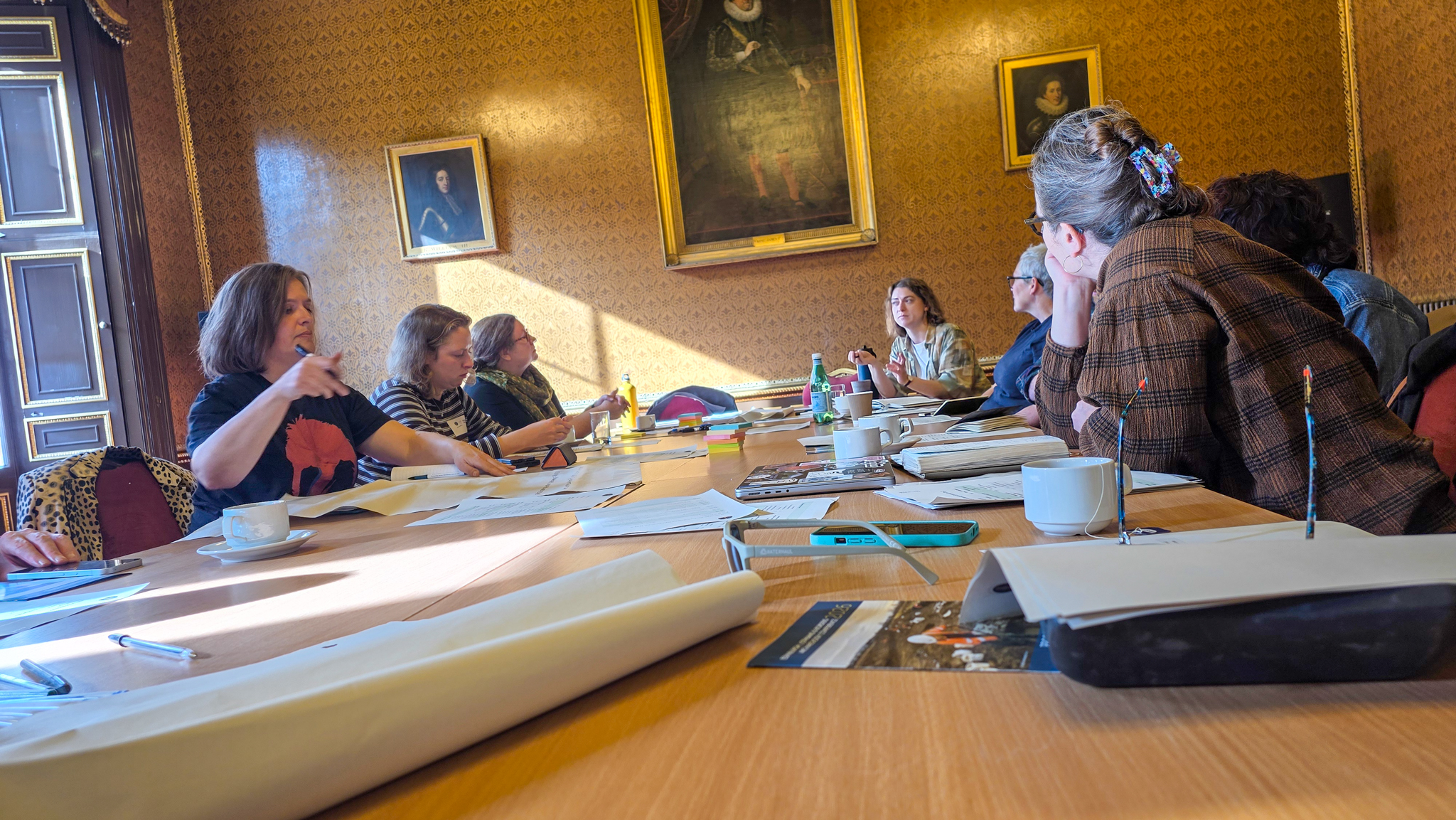
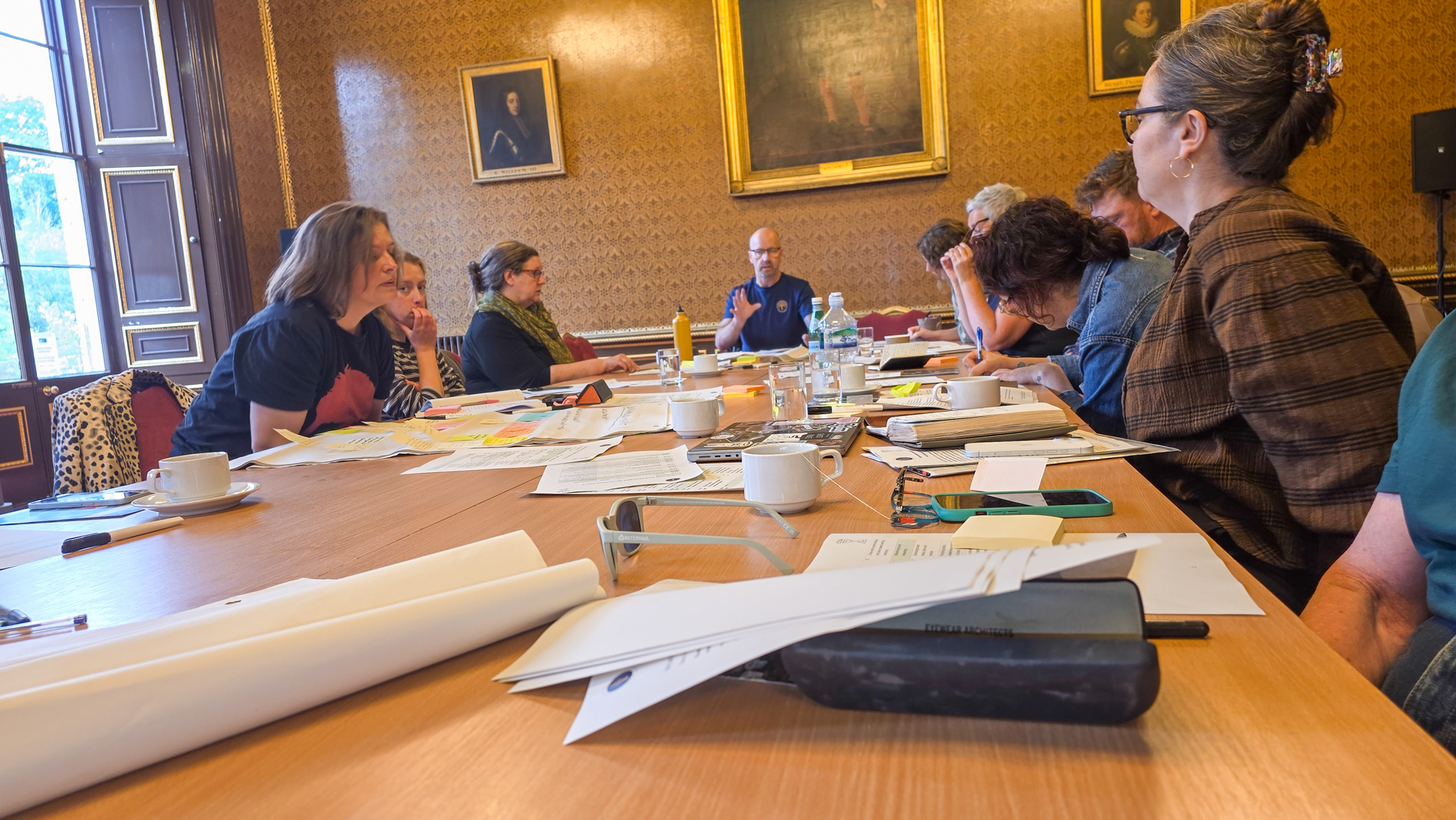
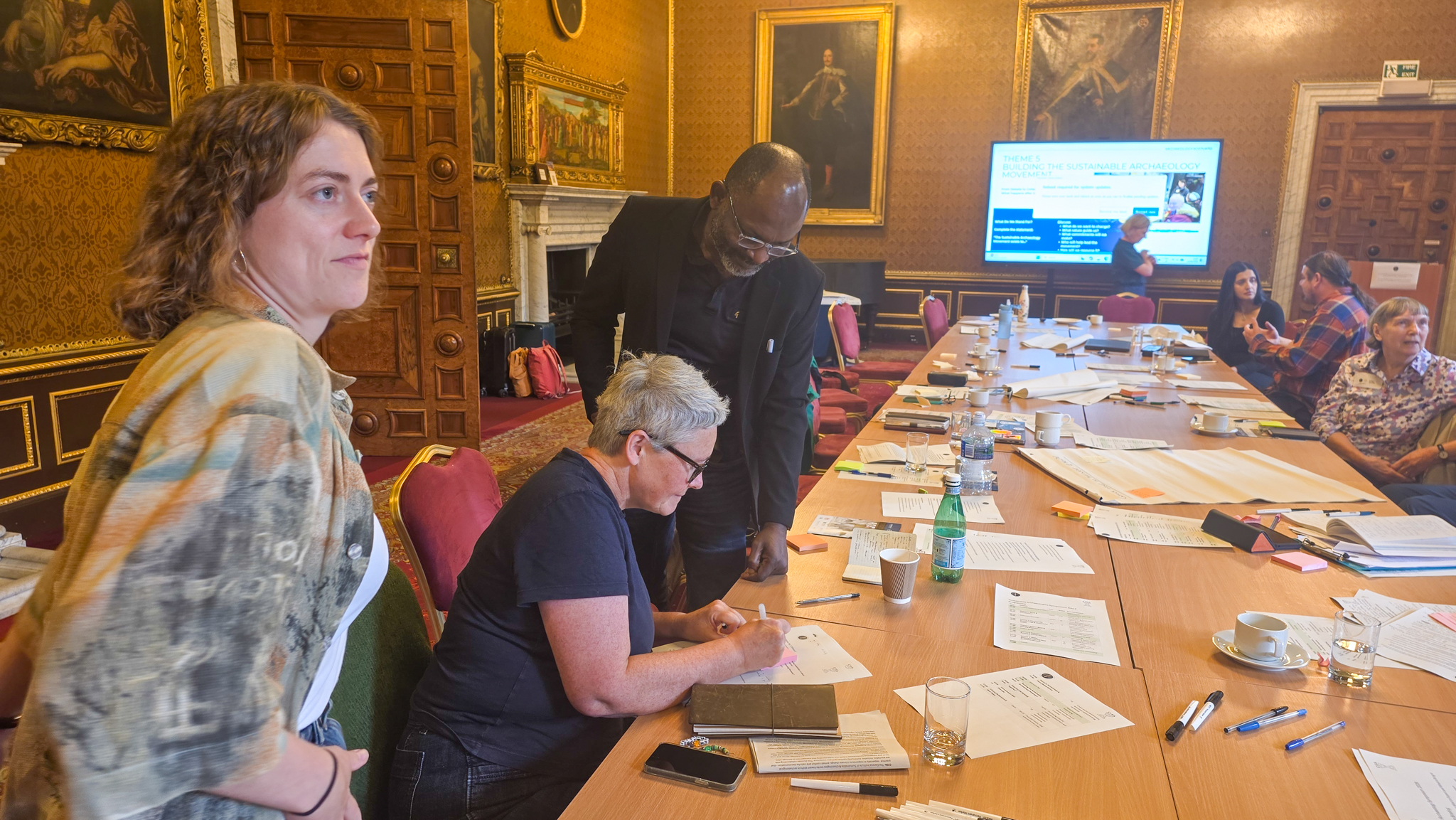
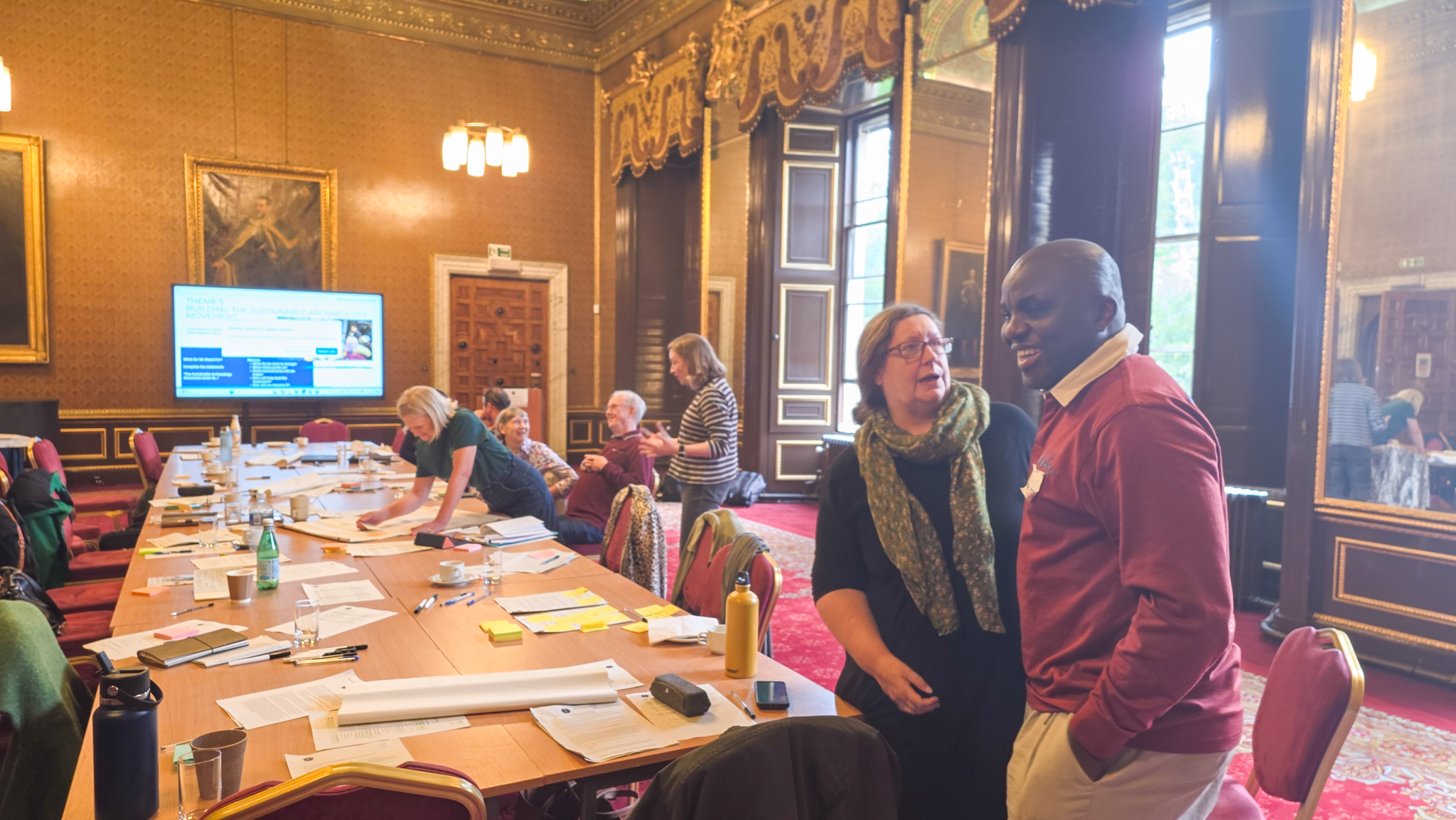
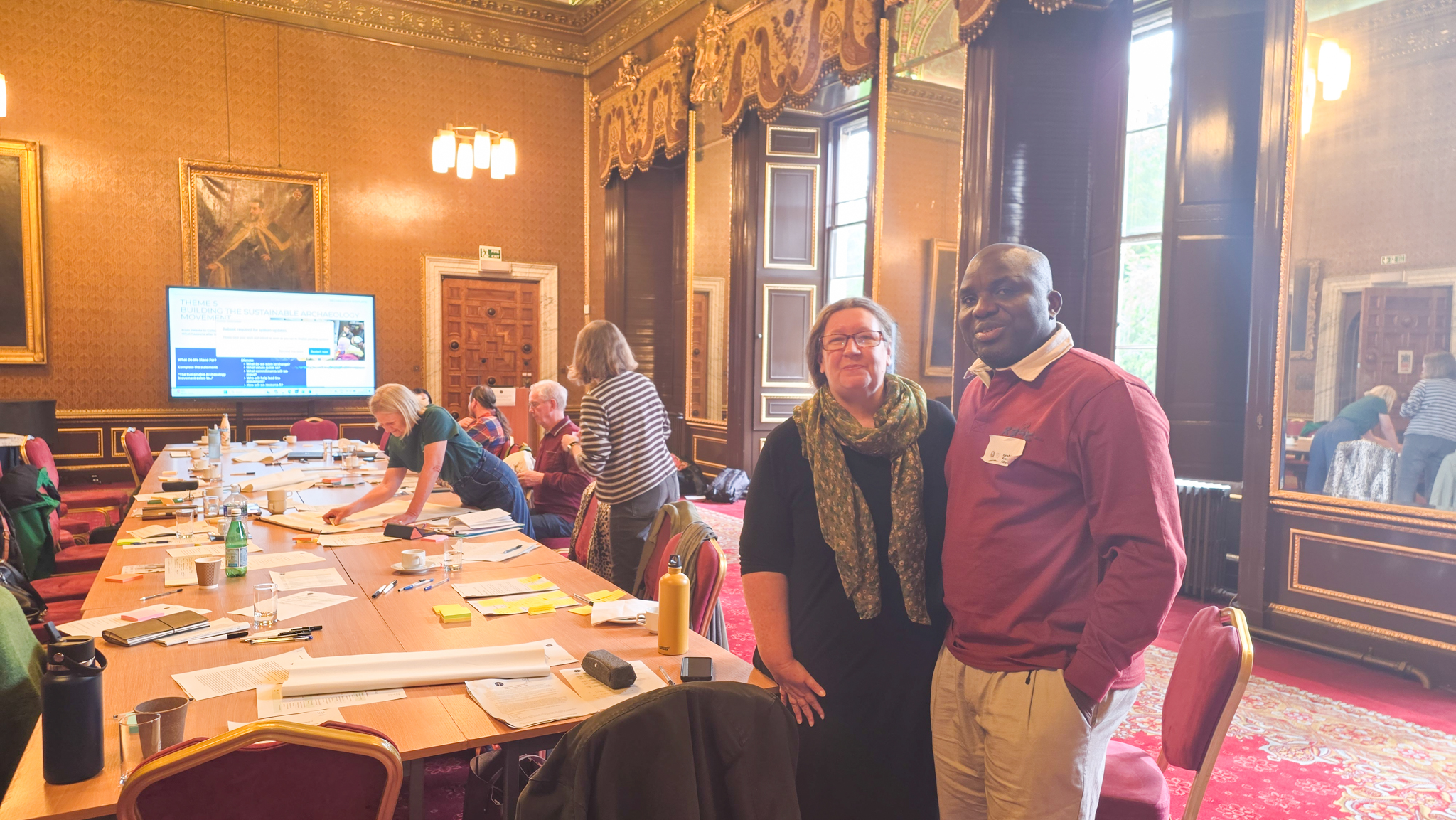
Day Two moved the discussion towards action through workshops on cross-sector partnerships and place-based working. Participants explored the shared values, purpose and practical outputs needed to build a sustainable archaeology movement.
The roundtable discussions returned to several priorities:
Develop recurring, paid pathways into heritage careers.
Support progression beyond the first placement.
Connect existing community and archaeology networks.
Resource community organisations as delivery partners.
Involve young people in planning as well as participation.
Share learning between projects and funding bodies.
Strengthen succession planning and organisational governance.
Build evaluation around progression, influence and leadership.
The workshops also highlighted the need to identify what already works. Organisations sometimes create new initiatives without knowing that another group has developed a successful model. Better communication between funders, national bodies, professional organisations and community partners could reduce duplication and direct investment towards proven approaches.
Next Step Initiative as a strategic heritage partner
Next Step Initiative brings community trust, engagement experience and a working model for widening access into heritage careers. Archaeology Scotland contributes professional expertise, organisational infrastructure and opportunities for practical development.
The value lies in combining these strengths.
This partnership demonstrates how a community organisation can act as more than a route to participants. NSI can help heritage organisations understand communities, design accessible recruitment, support trainees and maintain relationships beyond a single project.
The next stage requires longer-term investment and wider sector participation. The model can support more placements, connect trainees with employment and develop pathways into management, governance and leadership.
For funders, this offers a clear opportunity to invest in institutional change alongside individual development. The outcomes can be measured through retention, qualifications, paid employment, increasing responsibility, organisational learning and representation in decision-making roles.
Building the human foundations now
The Sustainable Archaeological Futures Symposium created space for honest discussion about the sector’s achievements and its unfinished work.
The next step must connect reflection with responsibility. Organisations need to identify what they will change, funders must recognise the full cost of inclusive practice, and community partners must receive the authority and resources to shape delivery.
If archaeology is to remain relevant and resilient over the next 25 or 50 years, the sector must build its human foundations now.
That means creating pathways rather than isolated opportunities. It means treating communities as partners and recognising that belonging should shape the process from the beginning.
Most importantly, it means building an archaeology in which more people can participate, contribute, progress and lead.